

Digital advertising is rapidly changing, and as ad fraud prevention and IVT (invalid traffic) detection have become essential for website publishers, Google Ad Manager and other ad-serving platforms are tightening their quality and compliance standards.
With the introduction of the Google RSOC strike system, safeguarding campaigns against policy violations and protecting ad ROI have never been more important for advertisers and content creators seeking reliable, sustainable growth.
What is Google RSOC?
.jpeg)
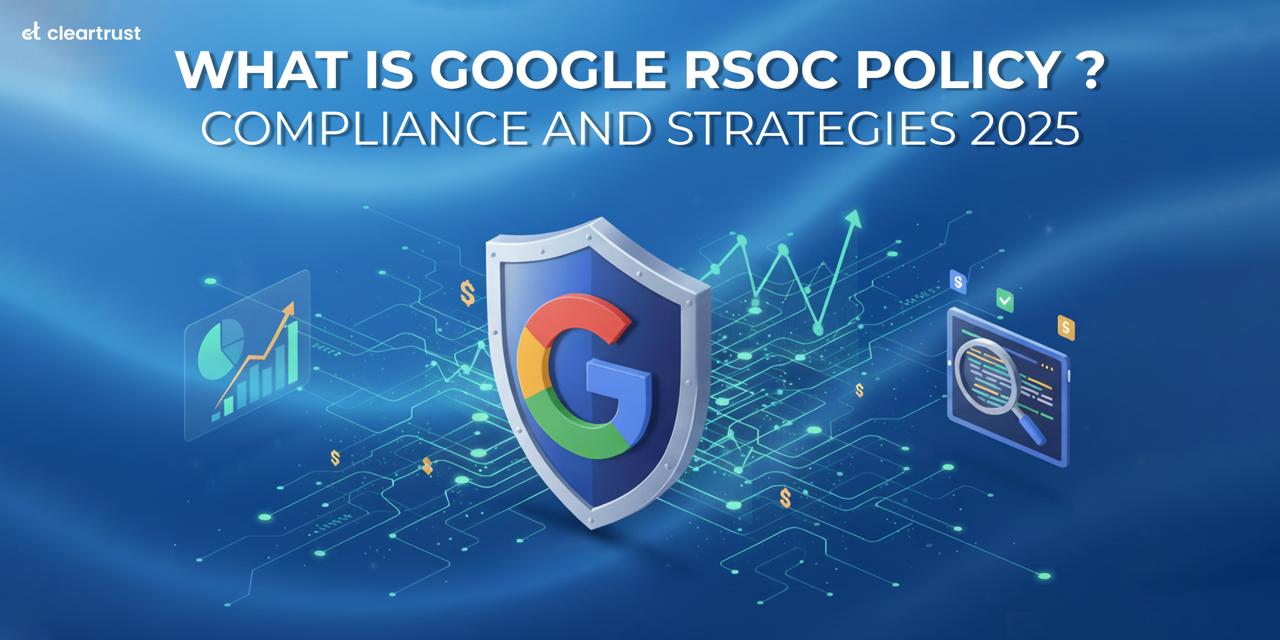
The Google RSOC policy, effective August 25, 2025, changes how publishers’ access advanced features in AdSense for Search, managed through Google Ad Manager and visible in your Google Account.
Google now uses a three-strike system to control access to Restricted Access Features (RAFs), which include important tools like custom search terms styling, click tracking, and detailed reporting. Your Google account RSOC status: Qualified, Probation, Restricted, or Revoked, determines your access level.
Publishers with clean compliance records receive invitations from their Google AdSense account managers to enable RAFs, while repeated violations reduce or revoke access. This policy aims to ensure high traffic quality and protect advertiser investment by rewarding compliant publishers with enhanced monetisation capabilities.
Google RSOC Strike System Explained
Google RSOC is launched to shield publishers and advertisers from IVT and policy violations that could damage the digital advertising sphere. This is how it works:
- Triggers for RSOC Status:
- Detection of IVT, including bot activity or proxy clicks
- Fake clicks or impressions created to inflate revenue per click (RPC) artificially
- Misleading or deceptive site layouts that confuse users
- Content violations such as phishing, malware, or trademark infringement
2. Three Strike Compliance System
• First strike (Probation - 90 days): Limited warning with Restricted Access Features (RAFs) still active in your Ad Manager.
• Second strike (Restricted - 90 days): Full suspension of advanced monetisation features within Google RSOC search terms
• Third strike (Revoked): Permanent loss of RAF privileges linked to your Google Account
Here’s an example of Strike Timeline:-
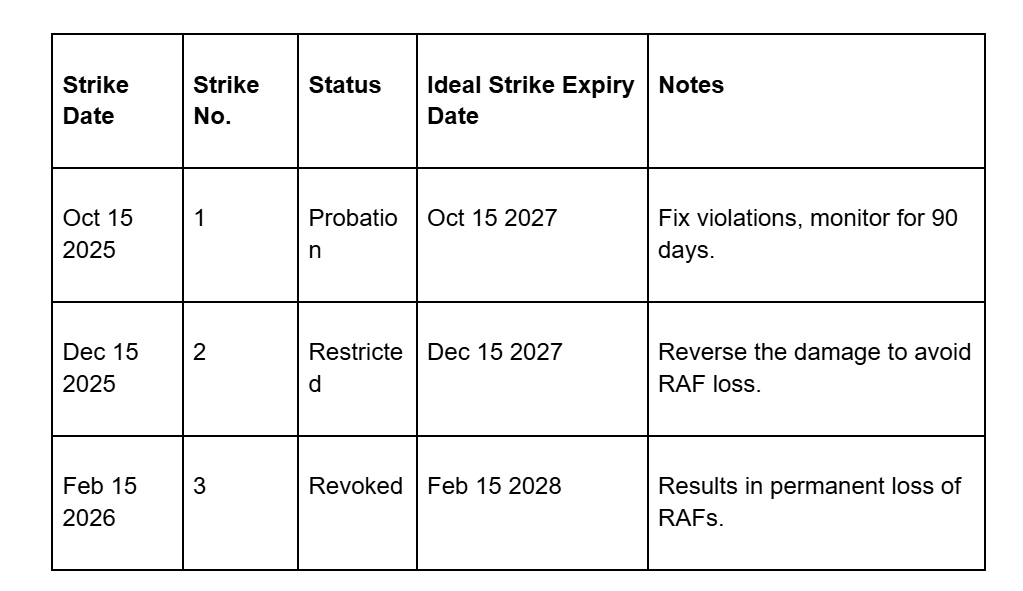
Strikes expire after 2 years; 3 strikes in a row = permanent revocation.
- Continuous Monitoring: Google tracks violations on a rolling 24-month window to keep your account compliance updated.
- Impact of Violations: Single or repeated policy violations can cause RSOC flags that restrict your ability to monetise efficiently using Google Manager tools.
- Best Practice: Maintain clean traffic, avoid invalid clicks, and strictly follow Google’s RSOC guidelines to retain full access to RAFs and maximise your RPC.
Key Impacts of Google RSOC Policy on Publishers
.jpeg)
The Google RSOC policy has a significant impact on publishers' campaigns, particularly by limiting monetisation and access to sophisticated features in Google Ad Manager. Here's what you should know.
• Monetisation Restrictions: Publishers flagged under RSOC see reduced ad revenue potential as Google restricts or suspends advanced monetisation tools. This limits how effectively you can capitalize on RSOC ad units and optimize your ROI.
• Loss of Advanced Features: RAF features such as customised search terms styling, deploying multiple RSOC units per page, and enhanced targeting or reporting become unavailable. These features are essential for fine-tuning campaigns to boost click-through rates and maximise revenue per visitor.
• Reduced Reporting and Optimisation: Without detailed analytics and A/B testing options in Google Manager, it is difficult to analyse performance and improve campaigns based on search terms trends and user engagement.
• Revenue Impact: As targeting becomes less accurate and there are fewer choices to customize RSOC search terms and related ads for visitors, publishers may see a 30–60% drop in profits, reducing overall ROI.
Protect Your RSOC Status with ClearTrust
As Google tightens its RSOC and monetisation criteria, ensuring clean traffic is crucial to avoid strikes and ROI loss. Even tiny amounts of IVT can prevent access to advanced Google Ad Manager features.
ClearTrust enables publishers to remain compliant by identifying and blocking IVT, bot activity, and fraudulent clicks in real time. ClearTrust's powerful monitoring and adaptive fraud detection system ensures that only legitimate traffic reaches your site, maintaining your RSOC status, ad ROI, and long-term growth.
Stay safe with ClearTrust.
FAQs
1. What is the Google RSOC strike system?
The Google RSOC strike system monitors policy violations and IVT, impacting your Google Account’s access to monetisation features.
2. How does the RSOC strike affect Google Manager tools?
RSOC strikes can restrict advanced monetisation and reporting features available in your Google Manager dashboard.
3. Can RSOC strikes lead to Google Account suspension?
Yes, repeated RSOC strikes can downgrade or revoke your Google Account’s access to RAFs.
4. How can publishers prevent RSOC strikes?
Maintaining clear traffic, avoiding invalid clicks, and using fraud detection tools help prevent RSOC strikes and protect monetisation.
5. Does ClearTrust help with RSOC compliance?
Yes, ClearTrust detects IVT in real time to safeguard your Google Account and maintain compliance with the RSOC strike system.